


Nourishing Neighbors, Strengthening Community
Frederic Grocery Co-op is a community-owned store bringing together fresh produce, everyday staples, and local favorites so you can fill your cart with what you need, close to home.
It’s the same easy stop, with a renewed commitment to your shopping experience.
Keeping Food Affordable, Local, and In Local Hands
The grocery store in Frederic, Wisconsin, has a unique opportunity: as the current owner retires, the store can transition into a community-owned cooperative. This isn’t just about saving a store—it’s about protecting a lifeline for our community.
Our top priority is to keep food accessible and affordable for all residents, especially our homebound seniors who depend on grocery deliveries for fresh, nutritious food.
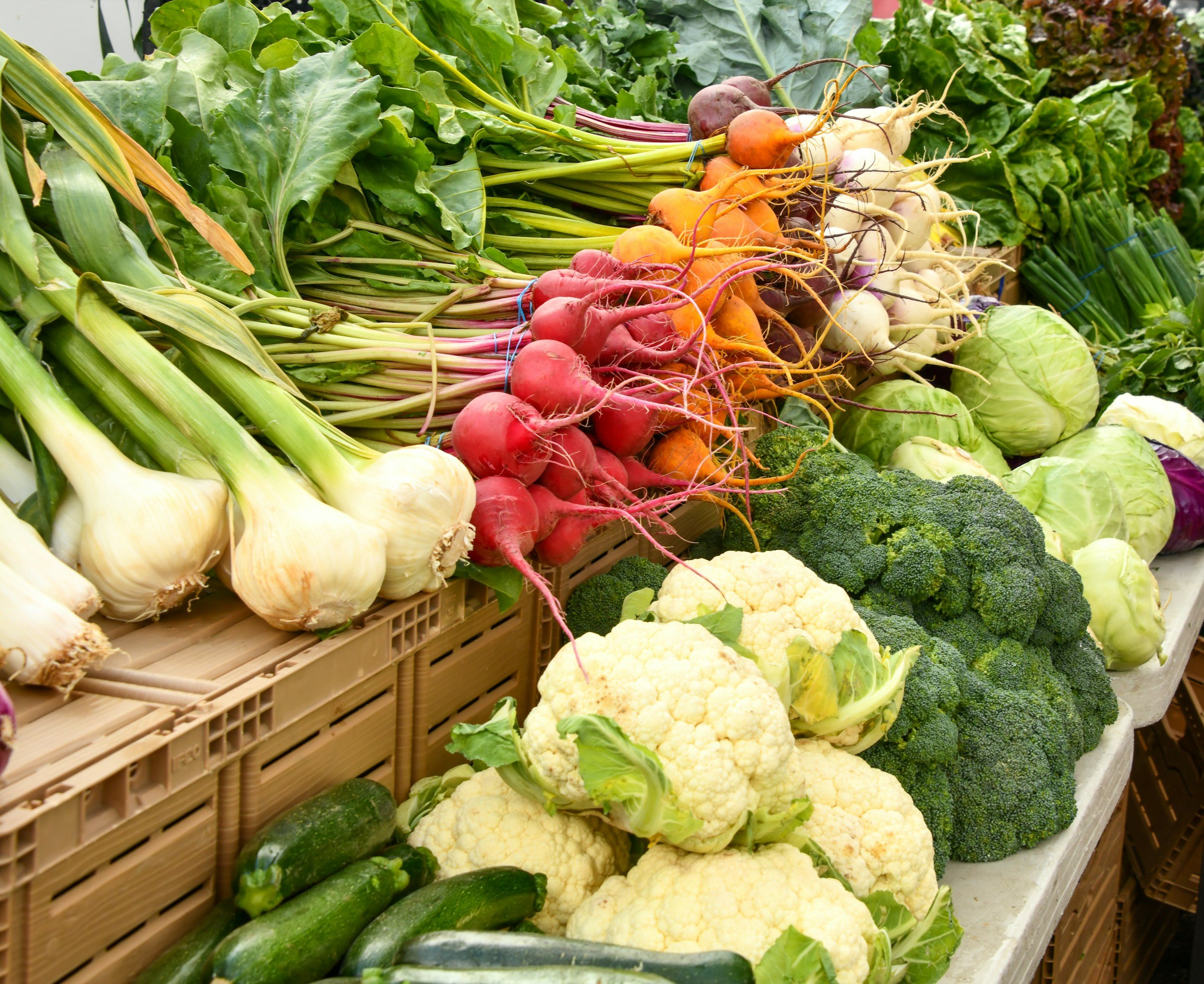
Our second goal is to bring more local produce and products to our shelves. By supporting area farmers and small producers, we can keep our dollars local, strengthen our economy, and ensure fresher options for everyone.
Together, we can build a grocery co-op that reflects the best of our community: sustaining both our neighbors and our local economy.
It’s easy to become a member.
Membership is a one-time fee, and then you are a member for life! Don’t want to pay by card? Send in a check with your pledge form. Click here to download the pledge form.

Pay your membership once for $105 and enjoy lifetime membership—no renewal fees ever. ($5 covers online processing fees. Memberships paid by check are $100.)


Make an Impact and Donate Today
Your generosity will help create a healthier community.
Curious About the Co-op?
Have a question about the co-op? You’re not alone! Here are answers to some of the most common questions we hear from neighbors. Still curious? Contact us here.
-
Co-ops are owned by community members or “member-owners” who invest in the co-op and share ownership.
Traditional stores are owned by private individuals, corporations, or shareholders focused on profit.
In a Co-op, members have a democratic say, often voting on decisions like board members, product offerings, and policies.
In a Traditional store, decisions are made by corporate executives or store owners with limited input from shoppers.
With a Co-op, profits are reinvested in the store or returned to members as dividends at the end of the year.
Profits in traditional stores go to the owners or shareholders, with no direct return to shoppers.
A Co-op prioritizes community needs, sustainability, and supporting local producers.
Traditional Stores focus on maximizing profit, often prioritizing high-selling, mainstream products.
To engage the community, co-ops frequently offer workshops, classes, and events on nutrition, cooking, and sustainability.
Programs are less common in traditional stores, though larger chains may sponsor events or promotions, often more focused on brand marketing.
-
At the end of the year, any profits the co-op earns are returned to member-owners as dividends or profit shares, giving members a direct financial benefit and a stake in the store’s success.
As a member-owner, you have voting rights on important co-op decisions, such as board elections, major initiatives, and policies, allowing you to help shape the co-op’s future based on your values and community needs.
By becoming a member, you’re contributing to a local business that prioritizes local suppliers, sustainable products, and fair employment practices, helping to strengthen the regional economy and create jobs.
Member-owners have the opportunity to participate in community-focused activities, including workshops, food education, and sustainability initiatives, building a community around shared values and interests.
Co-ops prioritize transparency with members, sharing financial performance, business plans, and operational updates. As a member-owner, you’re part of an organization that values open communication and responsible business practices.
-
Anyone and everyone can shop at the food co-op, regardless of whether they are a member or not! (But membership will have advantages AND support our efforts.)
-
Right now the group is working on a business plan and bylaws that we will use to incorporate as an official cooperative. With that, a bank account can be opened in the co-op's name. Membership funds, investments, and donations will then have a place to go.
We would like to be incorporated as a cooperative by the end of 2025 and be able to start accepting memberships and raising funds asap.
The cooperative can buy the business once it has the funds and an agreement with the store owner.